May 22, 2026
In a world increasingly conscious of environmental impacts, the adoption of eco-friendly pest control solutions is more critical than ever. These practices not only protect your home and businesses from unwanted intruders but also preserve the health of the ecosystem. Local pest control provides tailored solutions that are not only effective but also considerate of local wildlife and plant life. By choosing safer alternatives, we ensure a sustainable future for both our living environments and the planet.
Eco-friendly local pest control focuses on reducing the usage of synthetic chemicals that can linger in the environment and harm non-target organisms. The integration of local knowledge and eco-friendly methods make these practices both effective and minimal in their ecological footprint. This approach empowers communities to take control of pest problems without compromising the integrity of their natural surroundings. Furthermore, reducing chemical reliance helps cultivate a healthier living environment for humans and pets alike.
Community-driven solutions can foster collaboration and innovation in managing pest issues effectively. By engaging with local initiatives, neighborhoods can mitigate pest problems while contributing to regional biodiversity. As the pest control market is poised for growth, expected to increase from $22.7 billion in 2022 to $29.1 billion by 2026 according to Pestpac.com, there's a significant opportunity to steer this expansion towards sustainable practices. This article will delve into the numerous benefits of selecting eco-friendly pest control and how it supports both the environment and human health.
1. Why Choose Eco-Friendly Pest Control?
1.1 Environmental Benefits
Eco-friendly pest control methods contribute substantially to reducing environmental damage. They utilize natural ingredients and biological controls that specifically target pest species without affecting non-target organisms. This reduces the threat to biodiversity and helps maintain ecological balances. Moreover, these methods minimize chemical runoff that can contaminate soil and water sources, preserving essential ecosystems.
The adoption of sustainable pest control methods also reduces the carbon footprint associated with pest management services. By promoting the use of locally produced and biodegradable products, we lessen the reliance on imported chemical pesticides. This leads to a decrease in transportation emissions and waste. Additionally, the biodegradable nature of eco-friendly solutions ensures that they do not accumulate in the environment, thereby supporting long-term ecological health.
Community-based ecosolutions can harness the unique biodiversity of an area to control pest populations naturally. For instance, encouraging native predators or planting pest-repellent flora can significantly reduce pest infestations. These practices strengthen local ecosystems by supporting natural pest control methods that have evolved over millennia. Therefore, choosing eco-friendly local pest control contributes to the health and continuity of natural habitats.
1.2 Health Advantages
The health benefits of choosing eco-friendly pest control alternatives extend to both humans and pets. Traditional pesticides, which often contain hazardous chemicals, can pose risks such as respiratory problems, skin irritations, and long-term diseases when exposed. In contrast, green solutions use ingredients that are non-toxic and safe, reducing the potential for health complications arising from chemical exposure.
Eco-friendly pest control minimizes the risk of chemical buildup in homes and workplaces. The persistence of synthetic chemicals in indoor environments can have adverse effects, particularly on vulnerable populations such as children, the elderly, and those with existing health conditions. By opting for eco-friendly alternatives, we ensure a safer living and working space that promotes well-being.
Additionally, reducing the usage of harmful substances contributes to a healthier outdoor environment. Air and water quality benefit greatly from reduced chemical inputs, creating a safer environment for communities. These health advantages highlight the significance of eco-friendly pest control in safeguarding individual and public health across various settings.
2. What Are the Common Local Pests and How to Identify Them?
2.1 Common Household Pests
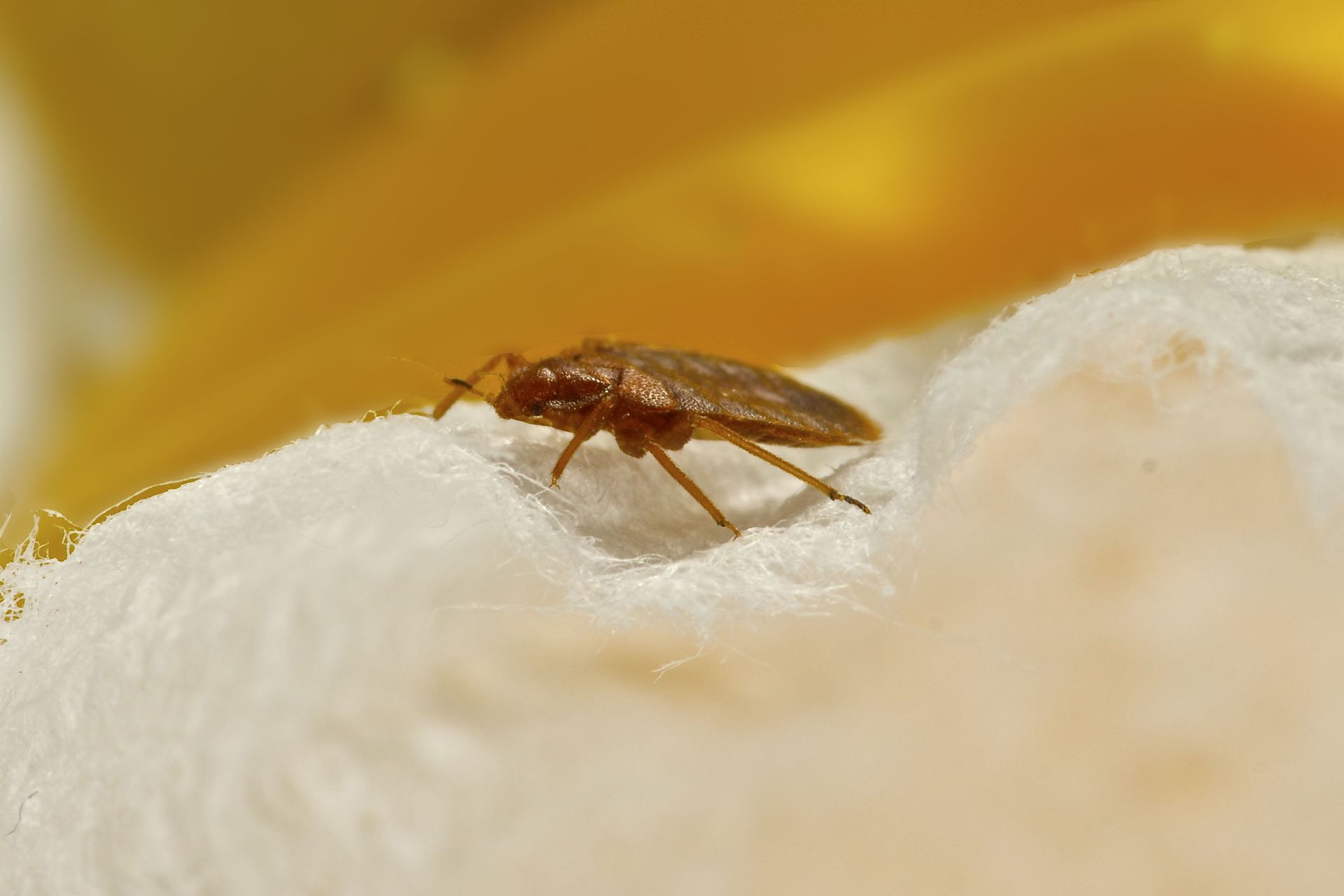
Typical household pests include insects such as ants, cockroaches, and termites, which are prevalent in many regions. Each pest species has unique characteristics that require specific identification methods in order to craft effective management strategies. For instance, while ants typically form large colonies and are often seen foraging for food, cockroaches prefer dark and damp environments for nesting.
Rodents, like mice and rats, are also common pests in domestic settings and can cause significant problems by gnawing on electrical wires and contaminating food supplies. They are known for their rapid reproductive cycles, which can lead to infestations if not managed promptly. Identifying the types of rodents present is crucial for implementing targeted control measures and ensuring comprehensive pest management.
Local pest control experts are adept at diagnosing and managing such common household pests through eco-friendly methods. Their knowledge of environmental factors and pest behaviors enables them to effectively mitigate pest impacts on households. Leveraging sustainable tools and techniques, these experts can offer solutions that align with eco-friendly principles and prioritize human health and safety.
2.2 Signs of Infestation
Early detection of pest infestations is pivotal in preventing significant damage and health risks. Common signs of insect infestations can include visible droppings, damaged plants, and the presence of damaged or hollowed-out wood, especially in the case of termites. Rodent infestations are typically signaled by gnaw marks, nests made from shredded materials, and grease marks along walls and baseboards.
The extent of droppings or damage often gives clues about the size of the infestation and may indicate how far pests such as cockroaches have spread throughout a dwelling. Specialized knowledge is needed to distinguish between old and new signs, aiding in the formulation of an effective control strategy. Pest control experts utilize these indicators to determine the scope of the infestation as well as the potential entry points that need addressing.
3. Techniques and Products for Eco-Friendly Local Pest Control
3.1 Natural and Organic Pest Control Methods
Natural and organic pest control methods encompass a variety of approaches that prioritize the use of materials found in nature. For instance, using essential oils like citronella, peppermint, or eucalyptus can deter pests due to their potent smell, providing an effective and non-harmful alternative to synthetic chemicals. Adoption of biological control agents, such as beneficial nematodes or ladybugs, effectively targets specific pests while preserving the health of ecosystems.
These methods aim to create environments that naturally repel or control pest populations without causing harm to non-target organisms. For example, crop rotation and companion planting are sustainable agricultural practices that can suppress the emergence of pest populations in gardens and landscapes. Additionally, maintaining clean and dry environments minimizes pest attractions and supports the efficacy of natural pest deterrence.
3.2 DIY Pest Control Solutions
Do-it-yourself (DIY) pest control solutions empower individuals to manage pest problems using readily available, eco-friendly materials. Creating homemade traps, using vinegar sprays, or deploying diatomaceous earth are straightforward methods that demonstrate effectiveness against various pests. These low-cost alternatives also avoid introducing harsh chemicals into the home, protecting residents from potential health risks.
Homemade remedies often involve using ingredients like baking soda, natural oils, and boric acid, which are safe for humans while remaining effective against specific pests. Educating homeowners on these materials fosters greater self-reliance and encourages the application of sustainable practices in routine pest management. Such practices also facilitate rapid response to early signs of infestation.
Choosing eco-friendly local pest control solutions is a vital step towards safeguarding both our environment and our health. By opting for sustainable methods and products, communities can effectively manage pest issues without the adverse impacts associated with traditional chemical pesticides. Supporting eco-friendly practices is an investment in a healthier, more resilient world.
The commitment to eco-friendly local pest control not only preserves our ecosystems but also ensures the safety and well-being of future generations. Through awareness, innovation, and collective action, we can steer the pest control industry towards sustainable practices that meet the needs of both humans and the environment. This dedication enhances the quality of our lives and contributes to the global mission of environmental sustainability.
As the pest control market continues to expand, with projections anticipating substantial growth by 2026, individuals and businesses have the power to influence this trajectory towards eco-friendly solutions. Embracing these practices fosters a cultural shift towards sustainability that extends beyond pest control and into other aspects of daily life. Together, we can create a restorative relationship with our environment, strengthening the connection between people and nature. Reach out to New-Tec Pest Management Inc today to see how we can help you!