September 24, 2026
As the seasons change, so do the behaviors, habits, and life cycles of the pests that threaten our homes and businesses. Many property owners make the mistake of assuming that once the weather turns cold, the risk of an infestation disappears. Others only call for professional help when a full-blown crisis is underway. However, true property protection requires a proactive, year-round approach. We understand that the most effective way to protect your property is through preventative measures tailored to the specific threats of each season.
Relying on comprehensive pest control services quarterly ensures that you stay one step ahead of rodents, insects, and other unwanted guests. By adopting a seasonal mindset, you can disrupt pest breeding cycles, block entry points before they are exploited, and maintain a clean, safe environment for your family or employees. This comprehensive guide serves as your ultimate seasonal checklist, breaking down exactly what property owners need to do — and when they need to do it — to achieve total quarterly infestation prevention.
Spring Checklist: Addressing Early Breeders
When the frost thaws and the spring showers begin, nature springs back to life. Unfortunately, this beautiful revitalization includes a wide array of pests that have been lying dormant or overwintering inside your walls. Spring is the primary mating and nesting season for ants, termites, and various types of flies. As temperatures rise, these insects emerge aggressively searching for food sources, moisture, and ideal locations to establish new colonies.
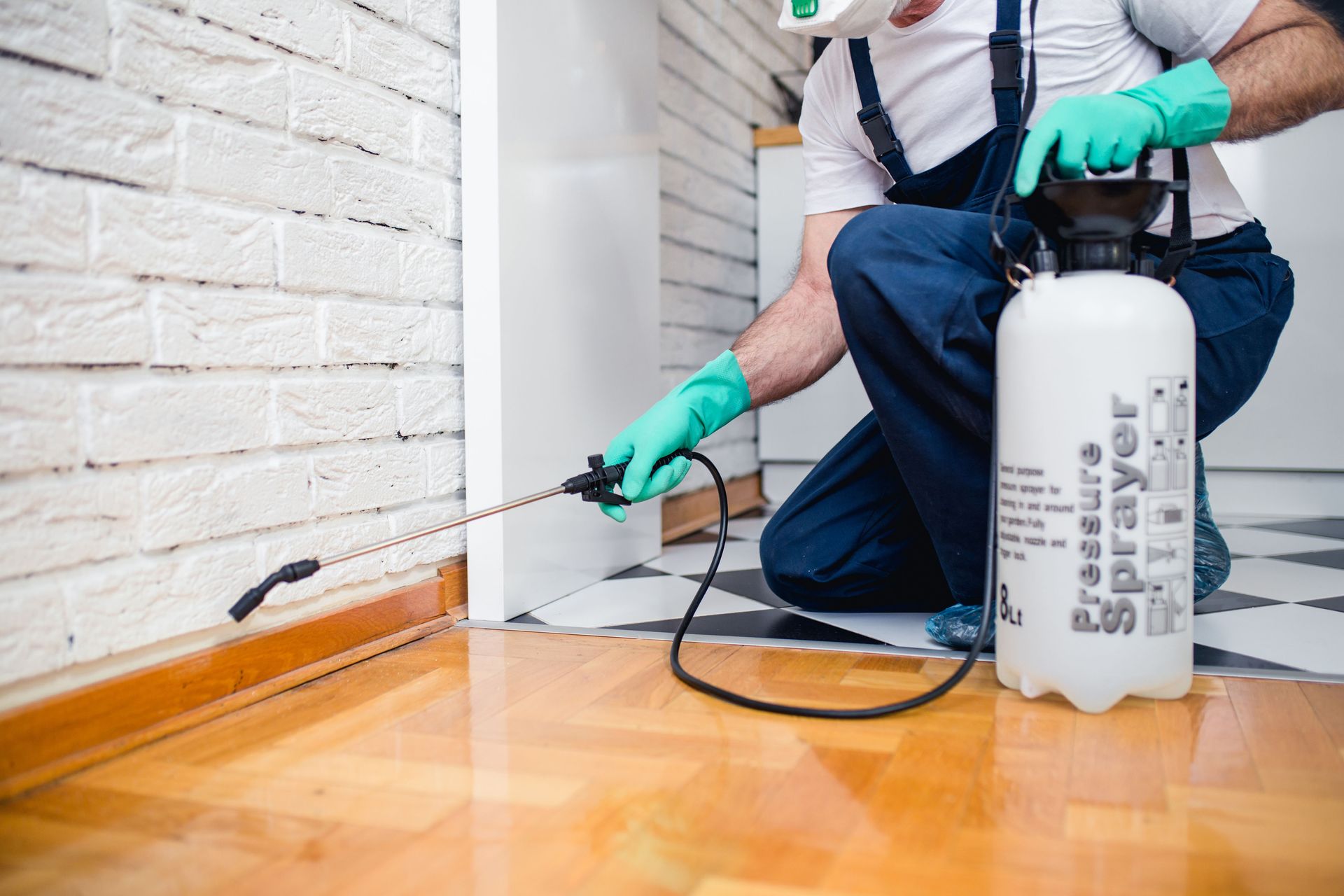
To get ahead of the curve, your spring protocol should focus heavily on outdoor inspection and exterior fortification. Start by clearing away any damp debris, such as fallen leaves, dead branches, and decaying mulch, which serve as perfect breeding grounds for insects. Next, meticulously inspect your property’s foundation for any cracks or crevices that may have expanded during the harsh winter freeze-and-thaw cycle. Sealing these gaps with weather-resistant caulk is crucial. Inside your home, focus on deep cleaning areas where crumbs and moisture accumulate, such as behind kitchen appliances, under sinks, and inside pantries. Even with rigorous cleaning, early infestations can be difficult to spot with the untrained eye. This is where scheduling professional pest control services becomes invaluable. Expert technicians can identify the subtle signs of early termite swarms or carpenter ant activity, applying preventative barriers that stop these early breeders from gaining a foothold in your home.
Summer Checklist: Managing Peak Swarms
Summer brings long, sunny days and outdoor barbecues, but it also marks the absolute peak of pest activity. The combination of high heat and humidity creates an ideal environment for mosquitoes, ticks, fleas, and stinging insects to thrive and multiply at exponential rates. During these warm months, your property’s exterior becomes a battleground. Wasps, hornets, and yellow jackets are notoriously active, frequently building hives under eaves, inside wall voids, and within thick landscaping.
Managing these hive insects is notoriously dangerous and is always best left to professionals equipped with proper protective gear and specialized treatments. According to Consumer Reports, professional insecticide treatment for hive insects typically takes 24 to 48 hours to show results. Waiting out this brief period is vastly preferable to risking painful and potentially dangerous stings by attempting DIY removal. Beyond stinging insects, summer requires vigilant standing water management to combat aggressive mosquito populations. Empty birdbaths, unclog gutters, and ensure proper drainage around your yard after summer storms. Indoors, ensure that all window screens are completely intact and free of tears. Because summer infestations can spiral out of control in a matter of days, leveraging regular pest control services during this season ensures that high-traffic pest populations are suppressed before they ruin your summer relaxation and outdoor gatherings.
Autumn Checklist: Blocking Indoor Invaders
As the sweltering heat of summer fades into the crisp coolness of autumn, pest behavior undergoes a dramatic and highly predictable shift. Knowing that winter is rapidly approaching, insects and rodents transition from foraging outdoors to desperately seeking warm, sheltered environments to survive the coming cold. This biological drive makes autumn the critical season for exclusion and structural fortification. Mice, rats, spiders, and stink bugs are the primary culprits during this time, actively probing your home’s perimeter for any accessible entry point.
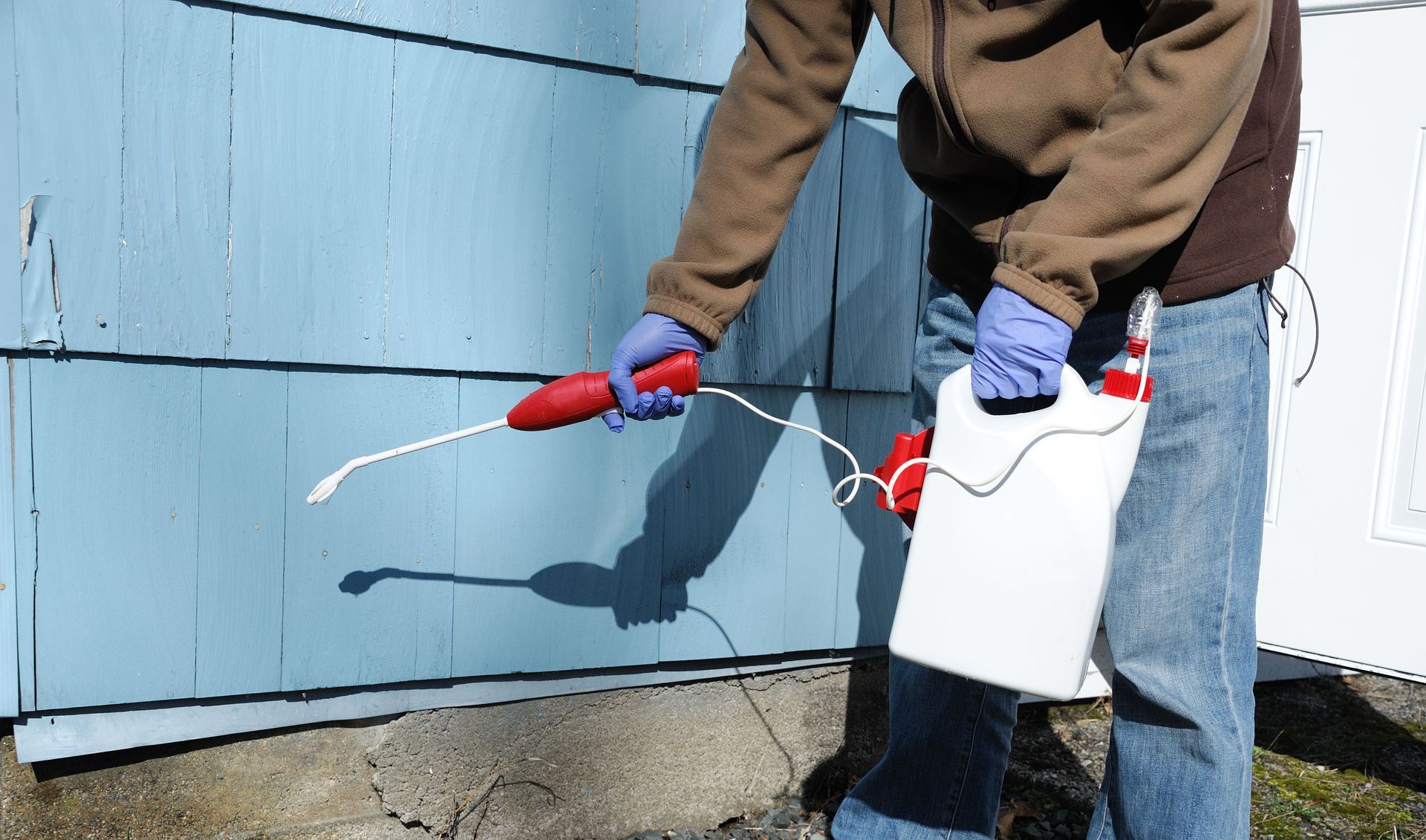
A gap as small as a dime is all a mouse needs to squeeze inside your walls. Your autumn checklist must prioritize sealing your home's envelope from top to bottom. Install high-quality weather stripping around all doors and windows, and place tight-fitting door sweeps on exterior entryways. Inspect your roofline, chimney, and attic vents, ensuring they are covered with durable, chew-proof wire mesh to keep out climbing rodents and squirrels. Store firewood at least twenty feet away from your home's foundation, as woodpiles are notorious staging areas for spiders and mice looking to make the leap indoors. Engaging comprehensive pest control services during the autumn months provides an essential line of defense. Professionals will conduct thorough perimeter inspections, apply targeted seasonal perimeter treatments, and set up exterior bait stations to intercept rodents before they cross your threshold.
Winter Checklist: Eliminating Hidden Survivors
A very common misconception in property management is that the winter cold effectively eliminates all pest problems. In reality, while the outdoor populations may die off or go dormant, the pests that successfully breached your defenses during the autumn are now thriving comfortably inside your heated, well-stocked home. Winter is the time to shift your focus to interior inspections and eliminating hidden survivors. Rodents, cockroaches, and silverfish are particularly problematic during the winter months. They take up residence in dark, undisturbed areas such as attics, basements, crawlspaces, and the warm voids behind large appliances.
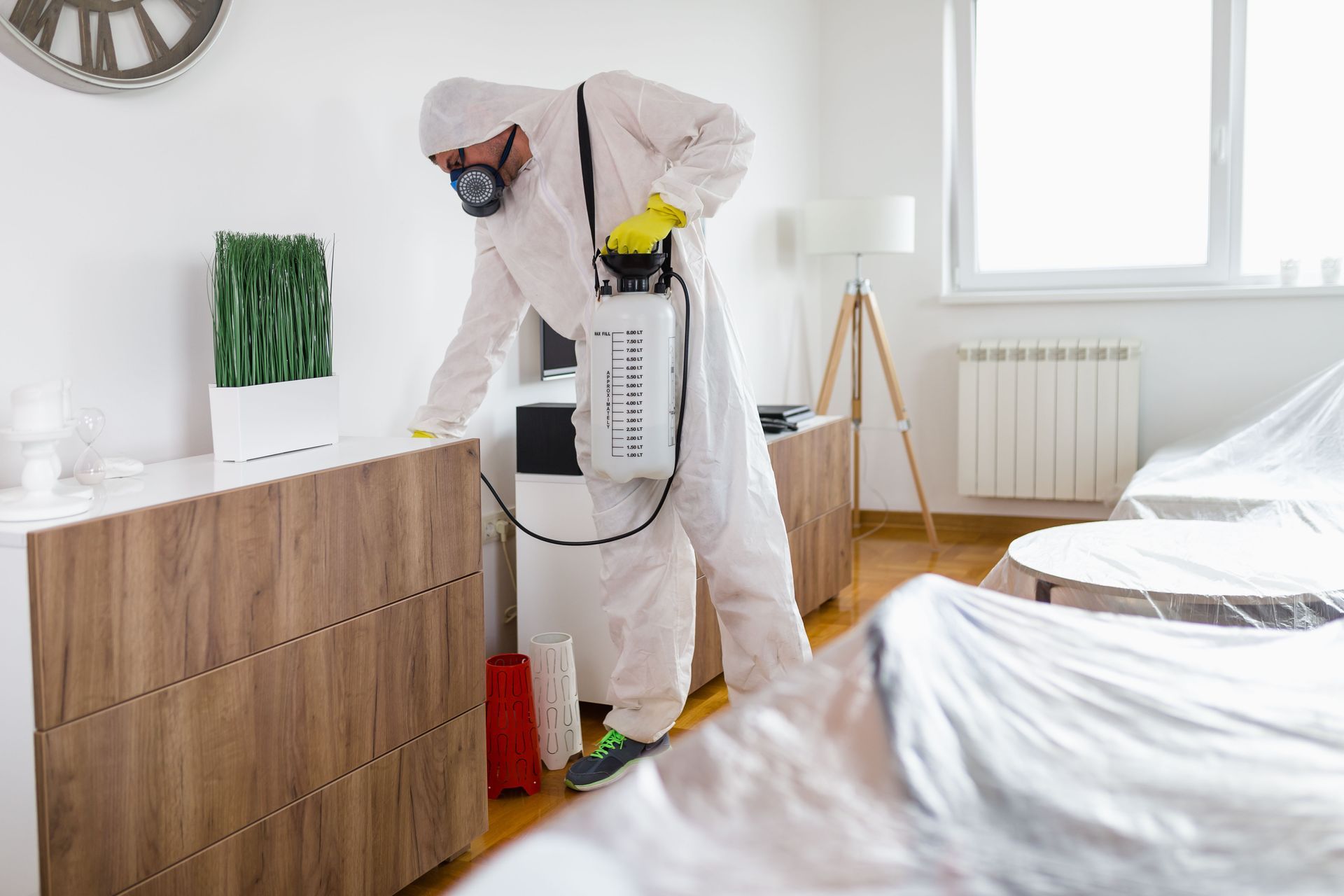
Your winter checklist should heavily involve a meticulous decluttering process. By removing stacks of old cardboard boxes, organizing storage areas using plastic bins with tight lids, and keeping clothes off the floor, you eliminate the precise hiding spots these winter pests prefer. Furthermore, winter is an excellent time to inspect your indoor plumbing. Leaky pipes or condensation in poorly ventilated basements provide the vital moisture that cockroaches and silverfish require to survive and breed. While you are sealed indoors with these potential invaders, maintaining your quarterly pest control services remains absolutely critical. Technicians can use this indoor-focused time to deploy targeted interior treatments, monitor indoor bait stations, and eradicate any pests that managed to survive the autumn transition, ensuring your home remains a sanctuary rather than a winter pest refuge.
Quarterly Checklist: Maintaining Consistent Protection
While seasonal tasks address specific temporal threats, the foundation of true infestation prevention lies in consistent, year-round vigilance. Pests do not adhere strictly to the calendar; unexpected weather anomalies, unusually warm winters, or local environmental changes can trigger unseasonal pest behavior at any time. Therefore, a successful quarterly checklist requires a commitment to ongoing property maintenance regardless of the current season.
This ongoing commitment includes maintaining pristine sanitation standards, managing your garbage and compost securely in sealed receptacles, and keeping your landscaping neatly trimmed away from the siding. Overhanging tree branches and overgrown shrubs act as literal bridges for pests to bypass ground-level treatments and easily access your roof or second-story windows. Regularly reviewing your property’s structural integrity and swiftly addressing issues like rotting wood, cracked siding, or damaged roof shingles will perpetually deny pests the access they endlessly seek. Ultimately, partnering with seasoned experts for quarterly pest control services bridges the gap between your best personal efforts and guaranteed, professional-grade protection. A scheduled, quarterly approach allows technicians to consistently monitor activity, rotate treatments based on the season, and prevent pests from developing dangerous resistances to specific products.
Start implementing this seasonal checklist today, and reach out to the experienced professionals at New-Tec Pest Management Inc to schedule your comprehensive quarterly treatments.